

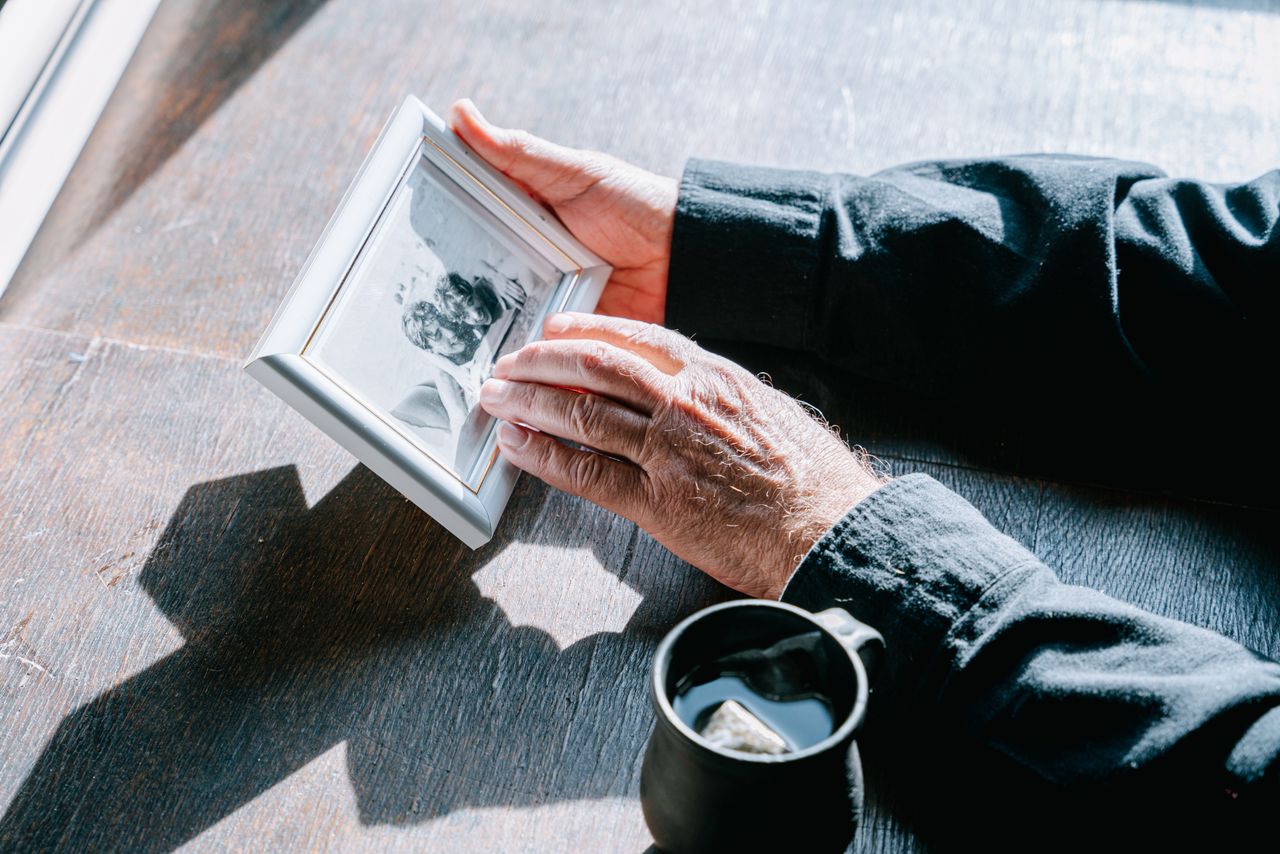
Why does grief change how you think as well as how you feel?
Kuit points to The Grieving Brain, a book by neuroscientist and psychologist Mary-Frances O’Connor. In her summary, love helps the brain form attachments to other people, and loss forces the brain to adapt and imagine a future without the person. Loss asks you to learn again, which means forming new neural pathways.
The adaptation can lead to new habits, friendships and decisions. Kuit says it can feel daunting and overwhelming, particularly at the start. She adds an observation: many people feel anxiety after a loss, as the mind pushes into the future and fears the worst.
She mentions Elizabeth Kübler-Ross’s five stages as a familiar map: denial, anger, bargaining, depression and acceptance. Each person’s grief, she says, differs from the next.
What does it mean to feel like a different person after a loss?
Kuit describes a clear divide between the “me” before the loss and the “me” after. Relationships anchor identity, she writes, so losing someone you love can feel like losing part of yourself. It can feel as if the mirror which showed who you were to other people has gone.
The sense of a chapter ending can push people to “move on” and leave memories behind. Kuit suggests another way to hold it: the story of the relationship does not have to end with the loss.
How can you carry the relationship forward?
Her post offers five practical thoughts. Keep telling loving, funny and sad stories about the person. Acknowledge how the relationship shaped you. Remember the strengths your loved one appreciated in you. Notice the growth and resilience you have gained. Remember the values you shared and how they still guide your decisions.
The post ends on witnessing. Reflective conversations about your loss, with friends, family or a therapist, can be what Kuit calls an enriching and healing experience.
What does a psychologist in Dubai add to the conversation?
Kuit names a therapist as one person who can guide you through telling your story. Her profile lists grief and loss among her areas of work, alongside Narrative Therapy, Acceptance and Commitment Therapy and Cognitive Behavioural Therapy. She has more than 15 years’ experience as a psychologist and has worked across the UK, South Africa and the GCC. She sees adolescents and adults at the Business Bay clinic, and her CDA licence appears on the profile.
The post talks about continuing a story, and her profile lists Narrative Therapy. The website does not say whether she uses it for grief, so ask. The individual therapy page lists grief and loss and eight approaches without saying which clinician uses which.
When is grief a reason to book?
The clinic’s FAQ says support is valuable after a specific event such as grief or a difficult transition, even without a diagnosed condition. You do not need a diagnosis to book.
The site does not say how long grief therapy lasts. Its FAQ says therapy length depends on the approach and the person. If your loss happened in another country, the posts do not address the situation, so raise it in the first session.
Talk to a Psychologist About Your Loss
Email info@thevalensclinic.ae or use the booking request on Alison Kuit’s profile. If you would rather the coordinator chooses, say so in your message.
Every clinician holds a licence from the Dubai Health Authority (DHA) or the Community Development Authority (CDA), as the FAQ page states.