

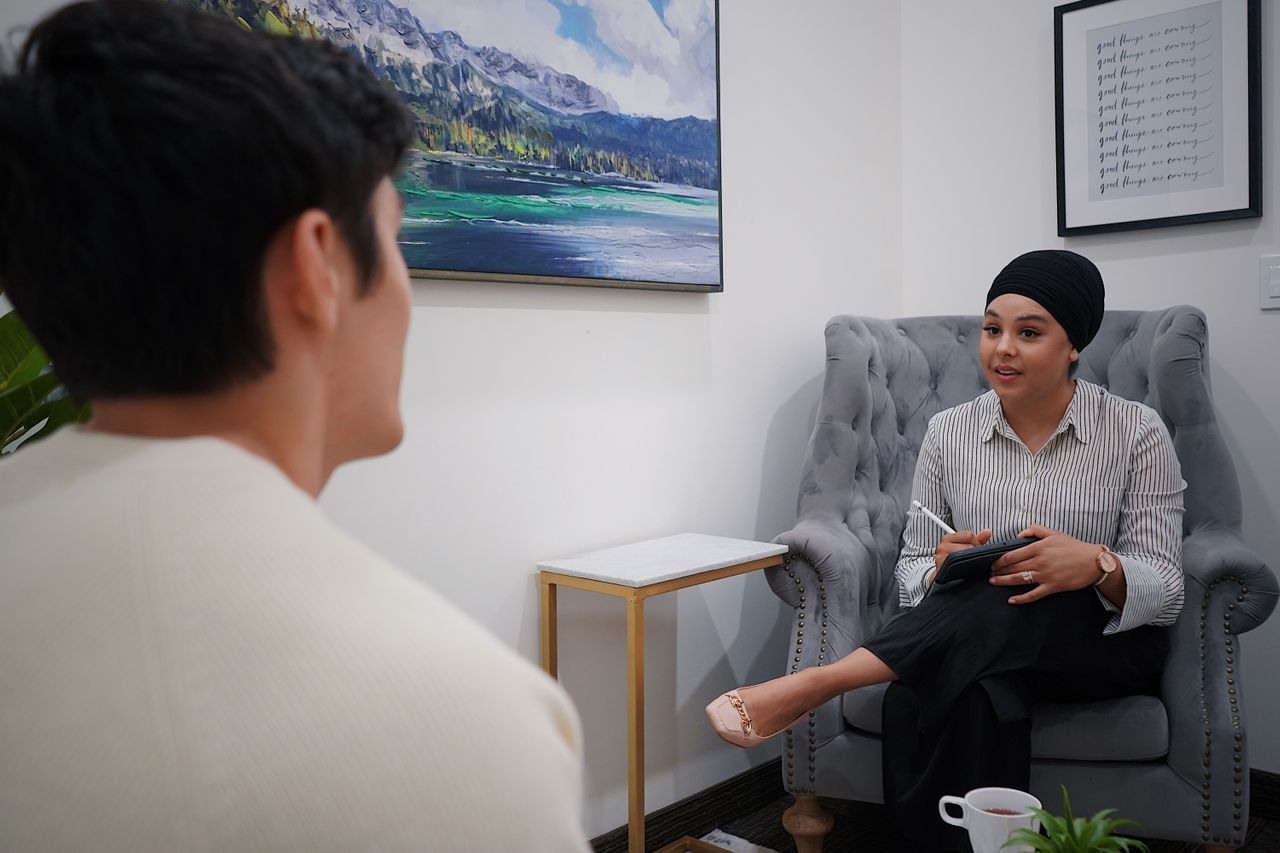
Choosing a psychologist in Dubai means choosing a language too, and the two decisions sit closer together than they look. Dubai’s population speaks English, Arabic, French, Russian, Italian, and Urdu in daily life, and a session held in a second or third language can feel noticeably different from one held in a first language. Emotional material, in particular, tends to sit closer to the surface in whichever language someone grew up speaking. The Valens Clinic treats language as a standard part of fit between client and clinician, not an afterthought.
What Changes When Therapy Happens in a Second Language
Many multilingual clients describe a real difference between naming feelings in a first language and describing the same feelings in a second one. A 2023 review of published research on multilingual psychotherapy, in the journal Counselling and Psychotherapy Research, found switching languages in session can change emotional distance from difficult material, sometimes helpful and sometimes not, depending on what a client needs at a given moment.
For someone processing grief, trauma, or a difficult family history, a first language usually carries the exact texture of the original memory. A second language can blunt the sharpest edge of a memory, which sometimes offers welcome relief and sometimes strips away detail a therapist needs to understand what happened.
Why the Research Does Not Point in Only One Direction
Evidence does not point in only one direction. One study on second-language emotion regulation found something notable: describing distressing content in a non-native language made certain regulation tasks easier for some participants, not harder, since added psychological distance let them label difficult emotions with more precision. Neither pattern makes one language correct for everyone. A psychologist accustomed to multilingual work watches for the effect during the first few sessions rather than assuming which direction it runs in advance.
How the Clinic Matches Clients With Clinicians by Language
How Language Preferences Get Matched
The Valens Clinic serves a client base speaking English, Arabic, French, Russian, Italian, and Urdu, a reflection of Dubai’s expatriate-heavy population. A new client can raise a language preference during an initial enquiry, and the clinic works to match a suitable clinician wherever possible. Many clinicians on the team work comfortably in more than one language, so a preference for Arabic or Russian does not necessarily narrow the choice down to a single name. Every clinician on the team holds a valid Dubai Health Authority or Community Development Authority licence, regardless of which language a session runs in.
When Language and Specialism Do Not Line Up
Language and specialism do not always line up in the same clinician. A family seeking a child psychologist fluent in French, for example, might find the best-matched specialist for a specific developmental concern works mainly in English and Arabic. The clinic raises the trade-off directly rather than assuming which factor matters more to a specific family, since some prioritise language above all else and others prioritise the right specialism first.
Multiple Languages in Family and Couples Sessions
Family and couples work adds another layer. A teenager raised mainly in English might sit alongside a parent who thinks and speaks most naturally in Russian or Urdu, and a single session sometimes moves between languages as different family members speak. A clinician working across languages can follow a shifting conversation without a translation delay breaking the flow, which matters most in a family session where tone and hesitation carry real information.
Why Shared Language Does Not Replace Clinical Fit
Shared language does not replace clinical fit. Specialisation, licensing, and personal rapport still matter alongside language, and a clinician who shares a client’s language but not the right specialism is not automatically the better choice. A fluent Arabic speaker with no background in trauma-focused work is not necessarily the stronger fit for complex PTSD care compared with a specialist trained specifically in trauma treatment, even if the specialist works mainly in English. The clinic starts with the clinical need and treats language as one factor to weigh alongside it, not the deciding one.
Questions Worth Raising When You Book
Ask whether a specific clinician offers sessions in a preferred language before booking a first appointment, since availability by language can shift week to week. Ask whether switching to a different clinician is possible if a session in a chosen language does not feel like the right fit early on. A clear answer up front saves a difficult conversation later.
Ask About Language Fit Before You Book
A good match between client and psychologist includes the language spoken in the room, as much as the qualifications behind the door. The Valens Clinic’s FAQ page covers language, licensing, and booking details for anyone weighing the decision before a first appointment. Check the details directly, then book a session in whichever language lets a person say what needs saying.