

The First Session: Gathering the Picture
The Valens Clinic‘s child psychology team opens with an initial consultation, where the psychologist assesses the presenting difficulty and the concerns behind it. The conversation works toward a shared understanding of the problem and clear treatment goals with the family, before the psychologist sets any fixed programme. Early conversations look more like a structured discussion, mostly with the parents for a younger child, and gradually shift toward involving the child directly as the picture becomes clearer.
A child who already sees another professional, such as a paediatrician, speech therapist, or school counsellor, benefits from added coordination at this stage. The psychologist generally reaches out to the child’s other clinician to keep care consistent across providers. The team may also offer consultation to a school or suggest a referral to another specialist, depending on what the assessment shows. Families leave the first session with an early treatment plan, not just a date for the next appointment.
Play and Drawing for Younger Children
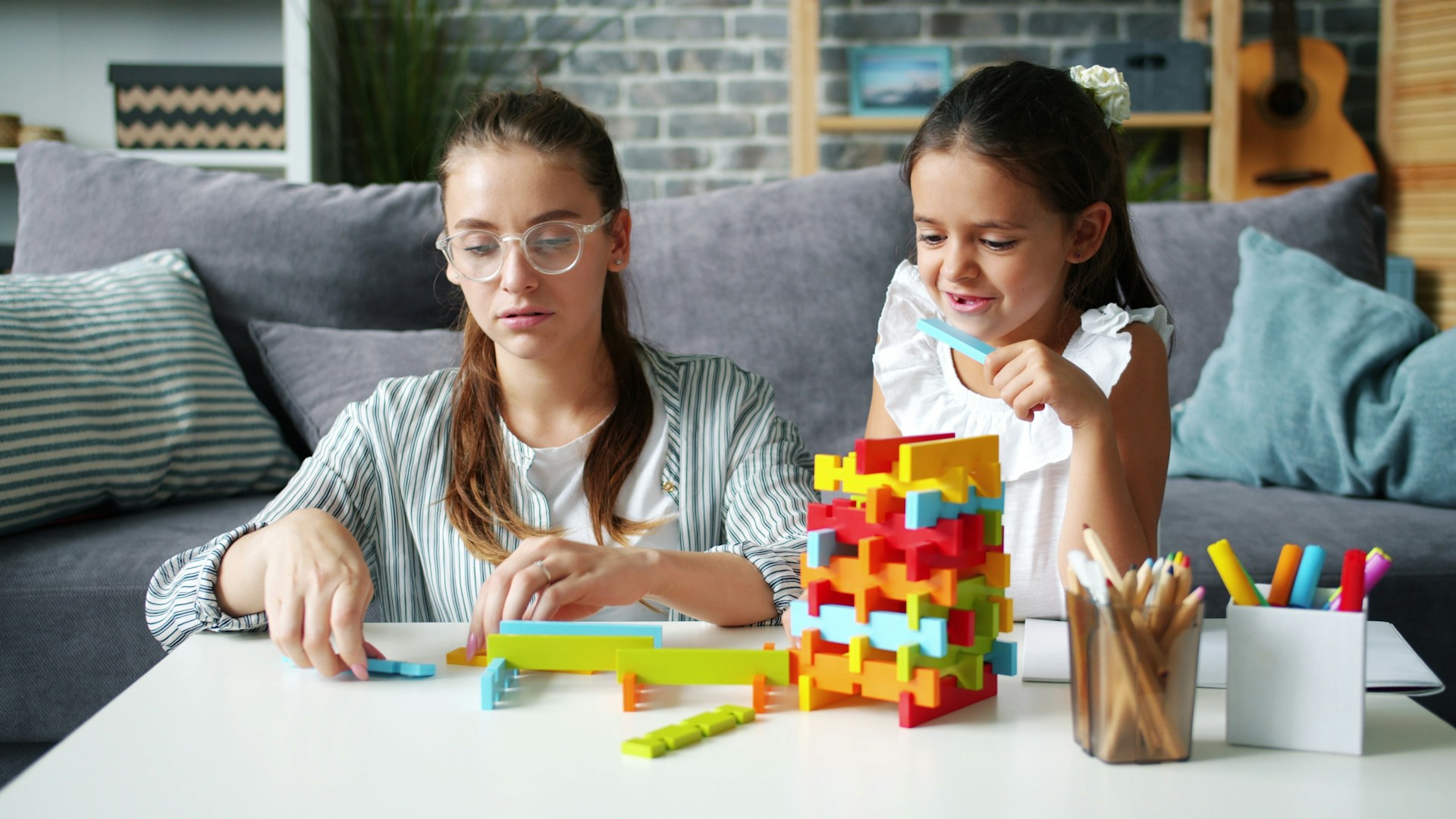
For younger children, the clinic’s published guidance notes that intervention may involve play-based techniques or drawing, depending on the child’s developmental stage, to help them express themselves more easily than direct conversation allows. A session might involve building something, drawing a family, or working through a story, with the psychologist observing and gently guiding rather than asking direct questions the way an adult session would.
Talk Therapy for Older Children and Teenagers
Older children and teenagers generally move closer to a format adults would recognise: sitting and talking through what’s going on, with less reliance on play or drawing as a bridge. The psychologist still adjusts language and pacing for age, and a teenager’s session usually has more privacy built in, with parent updates handled separately rather than the teenager’s exact words being relayed back.
Session Frequency During Treatment
Early treatment usually involves meeting weekly, largely to build a working relationship between the child and the psychologist before deeper work begins. As therapy progresses, sessions sometimes shift to a less frequent schedule, weekly or fortnightly, depending on how the child is doing and what the treatment goals call for.
How Much Parents Are Involved
Parent involvement is not fixed and depends on the child’s age, the nature of the concern, and the child’s preferences. A younger child’s sessions usually involve more direct parent contact throughout, while an older child or teenager may need more of the session kept between them and the psychologist, with the clinic balancing that against a parent’s need to understand what’s going on.
What to Tell a Child Beforehand
A simple, honest explanation works better than a detailed preview: someone to talk to or play with about things that feel hard, rather than a clinical description of therapy. For a younger child, mentioning that there will be toys or drawing materials sets a concrete, accurate expectation. For an older child or teenager, being direct about the reason for the appointment, and explaining that what they say generally stays private from the parent unless there’s a safety concern, tends to reduce resistance going in.
What Changes as Treatment Progresses
The format shifts as a child gets older within the same course of treatment, and as trust builds between the child and the psychologist. A five-year-old who started with drawing might, a year later, be old enough to talk through a concern more directly. The approach adjusts to the child in front of the psychologist, not to a fixed script tied to a diagnosis alone.
Next Step
Parents who want to know what a first appointment will look like for their child’s specific age and concern can ask The Valens Clinic’s child psychology team directly, including through the Young Valens location, before booking, rather than guessing from a general description.